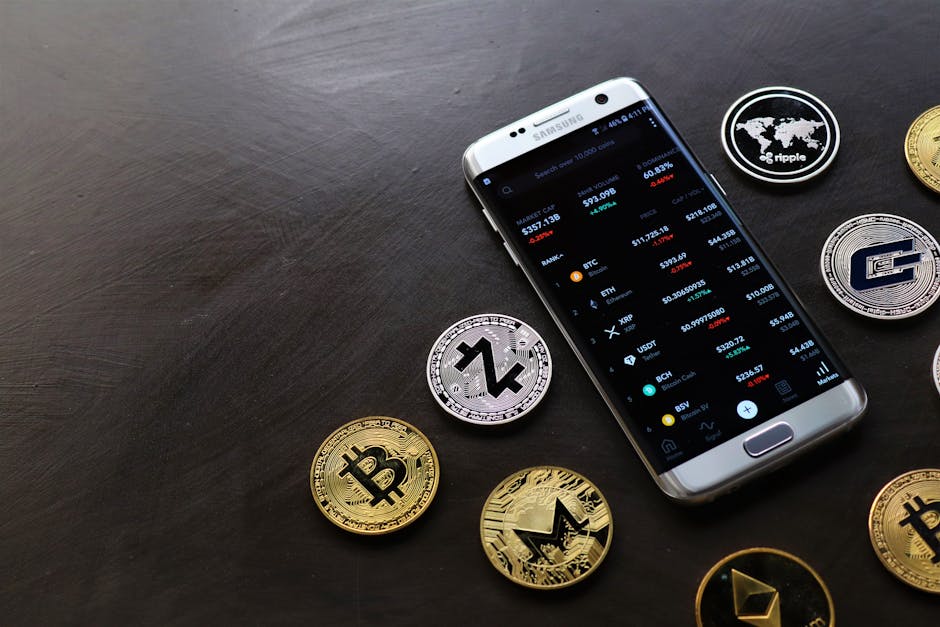
Welcome to the world of digital assets. If you are reading this, you are likely looking at the fastest way to get your first piece of Bitcoin (BTC). For many, the most intuitive path is using the same plastic card they use for groceries or online shopping. However, when you decide to buy bitcoin with credit card platforms, you are stepping into a process that blends traditional finance with decentralized technology.
I have helped thousands of people navigate their first exchange account since 2020. I’ve seen the excitement of the first transaction and the frustration of hidden fees. My goal here is not to tell you what the price will be tomorrow—because nobody knows—but to help you understand the mechanics, the risks, and the smart ways to secure your assets.
Bitcoin as a Mainstream Financial Asset
Bitcoin has matured significantly. It is no longer just a project for developers; it is now a recognized asset class held by pension funds, corporations, and everyday savers. Because of this, mainstream financial institutions have had to build bridges to allow you to interact with crypto. Using a credit card is one of those bridges.
You know what's funny? however, "mainstream" does not mean "risk-free." when you buy bitcoin with credit card services, you are moving money from a high-trust, centralized environment (your bank) into a high-volatility, digital environment. Understanding this transition is the first step toward becoming a confident crypto holder.
The Trade-Off: Ease vs. Cost
The biggest attraction of using a credit card is the speed. You link the card, hit buy, and the BTC appears in your exchange wallet—the digital storage account provided by the platform where you bought your crypto. But let’s address the elephant in the room: fees.. Exactly.
Many apps advertise "no fees" or "0% commission." Be very skeptical of this. In the crypto world, there is almost always a cost, even if it isn't labeled as a fee. When you use a credit card, exchanges often hide these costs in a "spread"—the difference between the price at which you can buy the asset and the price at which you can sell it. If an exchange claims to be "fee-free," they are likely charging you a wider spread, meaning you get slightly less Bitcoin for your dollar.
Common Payment Method Comparison
Method Speed Typical Fee Structure Risk Level Bank Transfer (ACH/SEPA) 1–3 Days Low Low Debit Card Instant Moderate Low Credit Card Instant High HighTiny warning: Always double-check the total amount of BTC you are receiving before you finalize the transaction. If the number looks smaller than you expected, that is likely the cost of the spread or processing fees.
The Risks of Credit Card Crypto Purchases
There is a specific credit card crypto risk that most beginners overlook: the "Cash Advance." Because crypto is viewed as a high-risk financial instrument, some banks classify these purchases as cash advances rather than standard retail purchases. This can trigger two immediate penalties:
Higher Interest Rates: Cash advances usually carry a much higher APR (Annual Percentage Rate) than your standard card purchases. Lack of Grace Period: You may begin accruing interest from the exact moment the transaction is processed, rather than at the end of your billing cycle.Before you commit to a card purchase btc transaction, call the number on the back of your card or check your terms of service to see if your bank flags crypto exchanges as cash advances.
Identity Verification: Understanding KYC
To buy crypto through a reputable exchange, you will encounter KYC, which stands for Know Your Customer. This is a mandatory process where the exchange verifies your identity using a government-issued ID, a selfie, and sometimes proof of address.
While some people dislike the privacy implications of KYC, it is an essential layer of security. It prevents money laundering, ensures the exchange complies with financial laws in your region, and provides a way for you to recover your account if you lose your password. Never trust an exchange that does not require KYC; if they don't care about verifying you, they likely don't care about protecting your assets either.
Choosing a Reliable Exchange
Don’t just "use a good exchange." That is vague advice. When evaluating where to conduct your card purchase btc, look for these specific markers of reliability:
- Regulatory Registration: Is the exchange registered in your country? Do they have a clear physical address? Cold Storage: Do they keep the majority of user funds in "cold storage" (offline servers)? Transparent Fee Policies: Are they clear about their spread and processing fees? Support Reputation: Can you reach a human if you run into a transaction error?
A Step-by-Step Guide to Buying Safely
If you have decided that medium.com the speed of a credit card is worth the cost, follow these steps to minimize your exposure to risk.

Tiny warning: When moving your Bitcoin, always double-check the network. Sending Bitcoin on the wrong blockchain (like trying to send BTC on an Ethereum network) can result in a permanent loss of funds. Always perform a "test send" with a tiny amount if you are nervous.
Conclusion: Proceed with Caution
Buying Bitcoin with a credit card is a valid, mainstream way to start your journey, provided you understand the hidden costs and the risk of cash advance fees. Crypto is a powerful tool, but it requires you to take full responsibility for your actions.
Take your time, verify your KYC documents carefully, and remember that slow and steady, with a focus on security, is always better than rushing into a transaction you don't fully understand. Your long-term success as an investor depends more on how you protect your assets than on how quickly you acquire them.. (sorry, got distracted)
Sanity check: Did you verify the URL of the exchange is exactly correct before typing in your card numbers? Phishing sites often mimic legitimate exchanges with slight spelling errors. Stay vigilant.