If you have been following the slow, bureaucratic evolution of Georgia’s medical cannabis program, you’ve likely encountered two numbers that seem to contradict each other: 5% and 12,000 mg. During freedomforallamericans.org my 11 years covering the Georgia General Assembly and public health policy, I have watched patients and caregivers confuse these figures constantly. Misunderstanding these limits isn't just a paperwork annoyance—it’s a legal risk.
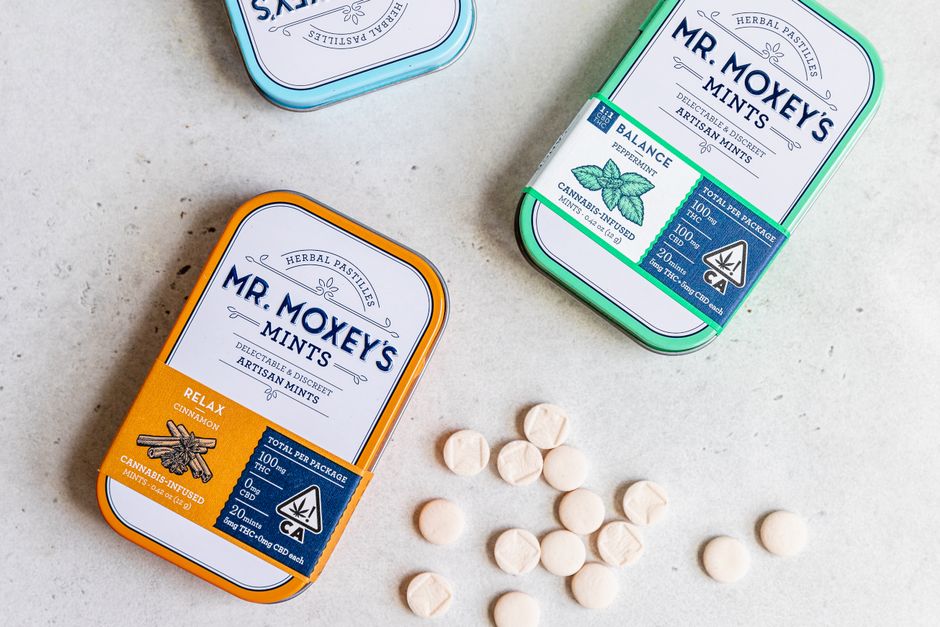
Let’s clear the air. We are not talking about "dispensary weed" in the recreational sense. We are talking about highly regulated, low-THC medical cannabis. If you try to compare Georgia’s framework to the wild west of other states' adult-use markets, you are going to lose. Let’s break down the math and the law, specifically focusing on how SB 220 changed the landscape for patients.
The Pivot: Understanding SB 220
For years, Georgia’s "Low THC Oil" law was exactly that: oil. It was restrictive, difficult to source, and limited in form. When SB 220 was passed, it did more than just expand the list of qualifying conditions; it transitioned Georgia from a narrow "oil" framework to a more formal "medical cannabis" production framework. This wasn't just a name change—it created the legal mechanism for the state to license production and enforce potency limits.
The Legislative Reality: When you read the enrolled bill (which I always recommend checking via the LegiScan bill page), you see the shift in language. SB 220 moved the needle from a vague, non-existent supply chain to a highly defined, regulated medical product standard.
The Math: Percentage vs. Milligrams
This is where most people get tripped up. There is a fundamental difference between potency (percentage) and total dosage (milligrams). They serve two different functions in the eyes of the Georgia Department of Public Health (DPH) and the Georgia Access to Medical Cannabis Commission (GMCC).
1. The 5% THC Cap (The Potency Limit)
The "5% THC cap" refers to the concentration of THC within the product by weight. No product sold through the Georgia medical program can exceed 5% THC concentration. This is a quality control metric intended to keep the product within the state's definition of "low THC."
2. The 12,000 mg Limit (The Possession Limit)
The "12,000 mg limit" refers to the total volume of THC a registered patient is legally allowed to possess at one time. This is your "trunk space" limit. Even if you have several products that all individually test below the 5% concentration cap, the sum total of THC across those products cannot exceed 12,000 mg.

Checklist: Are You Compliant?
You can screenshot this list and save it to your phone. If you are a registered patient on the Georgia DPH Low THC Oil Registry, keep this in mind:
- Verify the source: Are you buying from a licensed Georgia dispensary? If not, it is not "Low THC Oil" under Georgia law—it is contraband. Check the COA: Every product must have a Certificate of Analysis (COA). If it doesn't show the THC percentage, don't buy it. Track your totals: Keep a running log of the milligram totals on your product labels. 12,000 mg is the hard ceiling. Always carry your card: You must have your DPH-issued medical cannabis card on you when in possession of the product. Check your condition status: SB 220 added conditions like lupus and intractable pain, but you must ensure your physician has updated your entry in the registry.
What People Miss (The "Fine Print")
In my reporting years, the biggest frustration I saw was patients assuming "legal" meant "federally protected." It does not. Here is what most people miss about the current state of the law:
- The "Interstate" Trap: Even though you have a legal medical product in Georgia, moving it across state lines is a violation of federal law. Possession of these products outside of Georgia—even in states where cannabis is fully legal—can lead to legal complications because those states do not recognize the Georgia Registry. The Definition of "Intractable Pain": People see "intractable pain" and think it covers a sore back. It does not. The law is very specific about the clinical diagnosis. Do not assume your primary care physician can just "sign off" without strict clinical documentation. Not all "THC" is the same: Some patients look at the 12,000 mg limit and try to calculate it based on total *oil* weight rather than *THC* weight. Always check the label for the "Total THC" milligram count, not the total weight of the product packaging. Packaging Matters: The law requires specific labeling compliance. If you buy a product that has been tampered with or lacks the state-mandated warning labels, you are essentially carrying an unverified product, which puts your registry status at risk.
Resources for Patients
Never rely on a clerk at a store to explain the law. They are there to sell product, not protect your legal rights. For the most accurate, updated information, stick to these official channels:
Georgia DPH Low THC Oil Registry Page: This is where you verify your status and look for legitimate clinical information. LegiScan SB 220 Bill Page: Read the actual language of the bill. It is long and tedious, but it is the only document that matters in court. Georgia Access to Medical Cannabis Commission: Check this site for updates on licensed production and dispensing locations.Disclaimer: I am a former reporter and patient-rights educator, not an attorney. This information is for educational purposes based on Georgia health policy. Laws change, and enforcement can vary. Always consult with your physician and, if you are concerned about your legal standing, a qualified attorney.